
Pharma procurement has become significantly more complex over the past decade. Research organizations now manage expanding supplier networks, specialized scientific vendors, outsourced services, and global procurement workflows, all while supporting the speed and flexibility modern R&D demands.
As procurement environments grow, many organizations encounter a challenge that is difficult to measure directly but increasingly difficult to ignore: fragmented supplier ecosystems. Disconnected suppliers, inconsistent workflows, siloed purchasing activity, and limited visibility across teams create operational inefficiencies that affect procurement, finance, lab operations, and scientific teams alike.
For many pharmaceutical organizations, the challenge is no longer simply purchasing supplies efficiently. It is managing procurement complexity at scale by embedding procurement into the rhythm of scientific work.
In pharmaceutical organizations, fragmentation often develops gradually as:
- Research teams purchase independently to maintain velocity.
- Supplier lists expand to accommodate niche scientific requirements.
- Different sites adopt localized procurement processes.
- Purchasing systems evolve separately across departments.
Over time, these environments become difficult to manage operationally. Common signs of fragmentation include duplicate suppliers across departments, inconsistent pricing, and manual invoice reconciliation. While each issue may appear manageable individually, together they create operational drag.
3 reasons why supplier complexity is increasing in pharma procurement
Several trends are contributing to growing supplier complexity across pharmaceutical procurement operations.
3 hidden operational costs of fragmented procurement
Supplier fragmentation creates inefficiencies that often appear across multiple teams simultaneously.
- Reduced procurement visibility. Disconnected environments make it difficult to understand which suppliers are being used and whether preferred contracts are being followed. This challenge is closely connected to lab spend management, where fragmented purchasing patterns increase administrative burden.
- Slower procurement workflows and research delays. Fragmented ecosystems often create delays across supplier onboarding and purchasing approvals. These inefficiencies can reduce research velocity. When a critical reagent from a niche vendor is not yet onboarded due to fragmented systems, it leads to experimental delays that can stall drug development timelines.
- Administrative burden and headcount efficiency. Supplier fragmentation creates downstream complexity for finance teams. More suppliers mean more purchase orders and more reconciliation work. Over time, this becomes a hidden tax on the organization, often requiring additional headcount just to manage vendor records. Analysis by McKinsey suggests that moving to centralized cloud-based solutions can significantly improve speed while reducing operational costs.
The connection between fragmentation and reporting readiness
As procurement operations scale, reporting expectations are becoming more complex. Procurement teams are now often tasked with contributing to broader corporate initiatives, including supplier traceability, diversity tracking, and environmental compliance.
Industry standards, such as the Science Based Targets initiative (SBTi), are increasingly influencing RFP processes and supplier selection. While procurement platforms are not specialized carbon-accounting tools, they serve as the essential data foundation for these mandates. Fragmented ecosystems make this baseline visibility nearly impossible; centralized data is the first step toward reporting readiness and enterprise-level transparency.
Industry analysts at GEP note that building an integrated procurement ecosystem is now essential for the data layer it creates, revealing patterns in pricing and supplier performance that were previously invisible.
Building a more connected procurement environment
Pharmaceutical procurement is becoming increasingly complex as supplier ecosystems expand. Disconnected systems create inefficiencies that affect organizations at every level. Modern strategies are shifting toward centralized environments that improve visibility without limiting scientific flexibility.
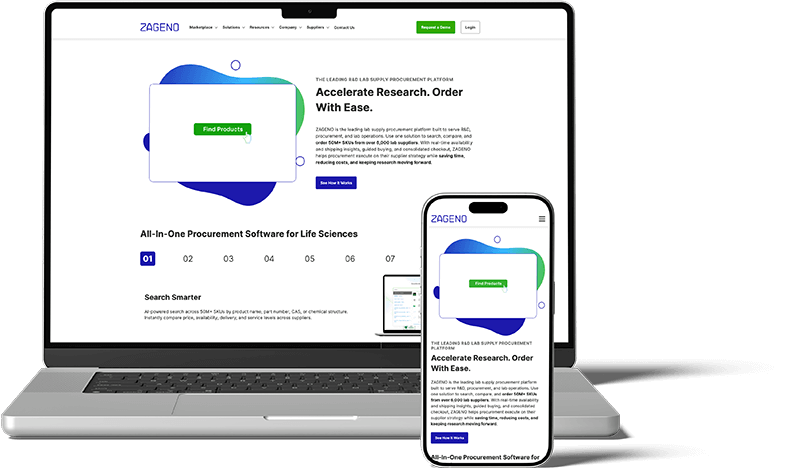
ZAGENO, recently recognized as a top pharma procurement solution, helps life sciences organizations centralize procurement workflows, streamline supplier management, and improve visibility across thousands of scientific suppliers through a single experience.
Request a demo to see how ZAGENO supports modern pharma procurement operations.
Frequently asked questions (FAQ) about supplier ecosystems in pharma procurement
-
What is a supplier ecosystem in pharma procurement?
It refers to the network of suppliers, procurement systems, workflows, and purchasing relationships that support pharmaceutical research and operations. -
Why are supplier ecosystems becoming more complex?
Complexity is driven by increasing specialization in research, expanding supplier networks, decentralized purchasing, and growing reporting requirements. -
How does supplier fragmentation affect procurement?
It can reduce visibility, slow down workflows, increase administrative burden, and make oversight more difficult across research sites. -
What is procurement visibility?
This refers to the ability to track purchasing activity, supplier usage, and spending patterns across an organization in real time.
Related resources